
Every product page lists a Bluetooth version, and almost every shopper nods at it without knowing what it changes. Version numbers are the most quoted and least understood line on an audio spec sheet. Here is what actually moves between recent releases, what does not, and how to talk about it with customers without overpromising.
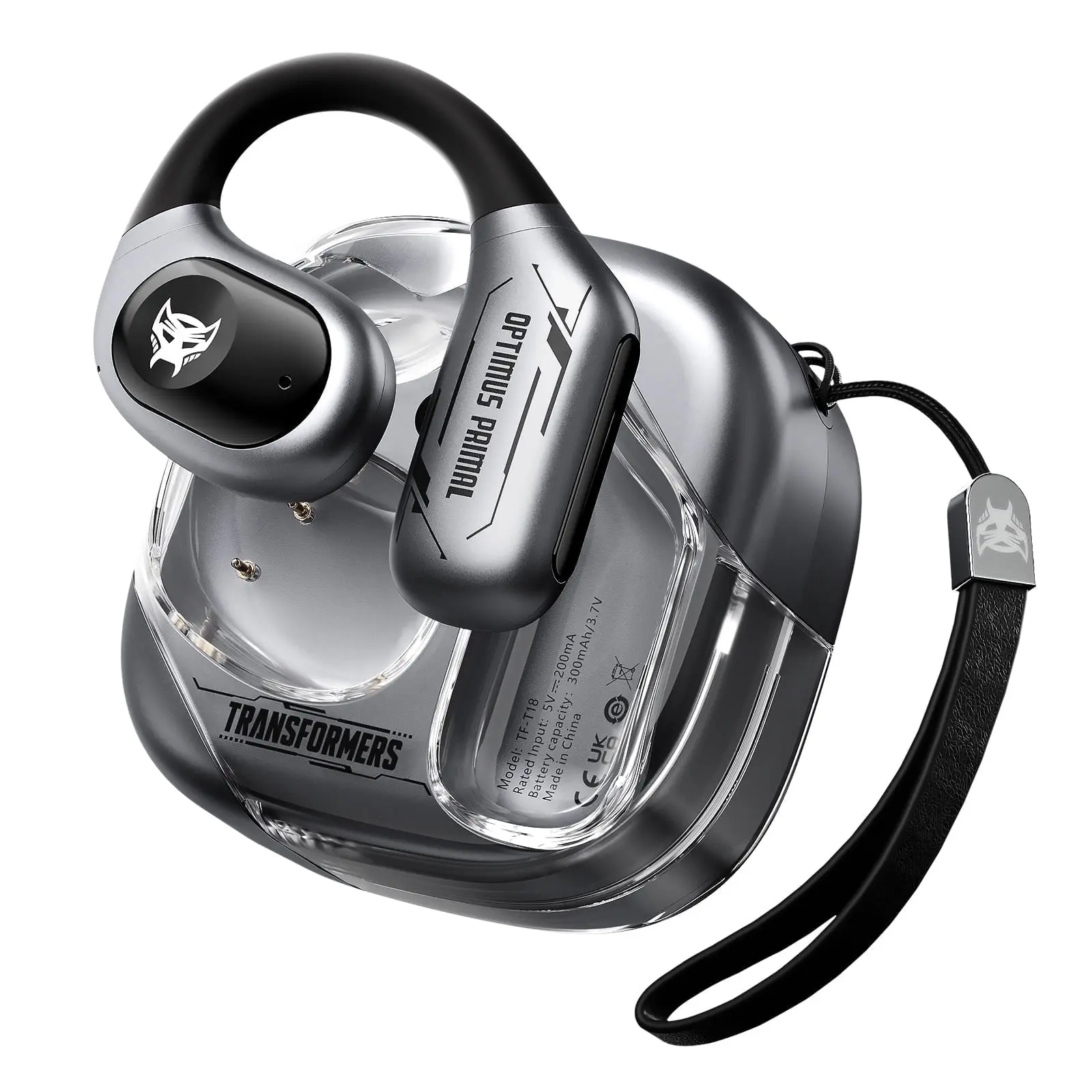
First: the version is not the sound
This is the single most useful thing you can teach a customer. The Bluetooth version describes the radio link — how devices find each other, hold a connection and manage power. What the music actually sounds like is governed mostly by the codec, and by the drivers and tuning inside the product.
So a newer version number does not automatically mean better audio. It usually means a steadier connection and better battery behaviour. We covered the codec side separately in our guide to Bluetooth codecs, and the two topics answer genuinely different questions.
What newer releases actually improved
- Connection stability in crowded places. Trains, gyms and city streets are full of competing signals. Newer releases handle that congestion more gracefully — the practical benefit most people notice.
- Power efficiency. Low-energy improvements let earbuds and watches do more between charges without larger batteries.
- Better multi-device behaviour. Moving between a phone and a laptop is smoother than it used to be.
- Groundwork for broadcast audio. Recent generations introduced the foundations for sharing one audio source with many listeners, and for hearing-device support. Useful direction of travel, but availability depends on both devices and on the manufacturer implementing it.
5.4 versus 5.3, in plain terms
For a typical buyer choosing earbuds or a speaker, the honest answer is that the difference is incremental, not transformative. Both are modern, both pair quickly, both are power-efficient. If two products are otherwise identical, take the newer one. But comfort, fit, microphone quality, controls and build will affect daily satisfaction far more than that decimal.
Resist the temptation to sell the version number as a headline benefit. Customers who buy on a number and then feel no difference lose trust in your recommendations.
Compatibility questions worth answering
- Backwards compatibility is the norm. Newer earbuds work with older phones; you simply meet at the older device's capabilities.
- Both ends matter. A feature exists only if the phone and the accessory both support it.
- Range claims are laboratory figures. Walls, bodies and interference all cut real-world distance. Set expectations accordingly.
- Firmware matters. Some improvements arrive through updates, so check whether the manufacturer actually ships them.
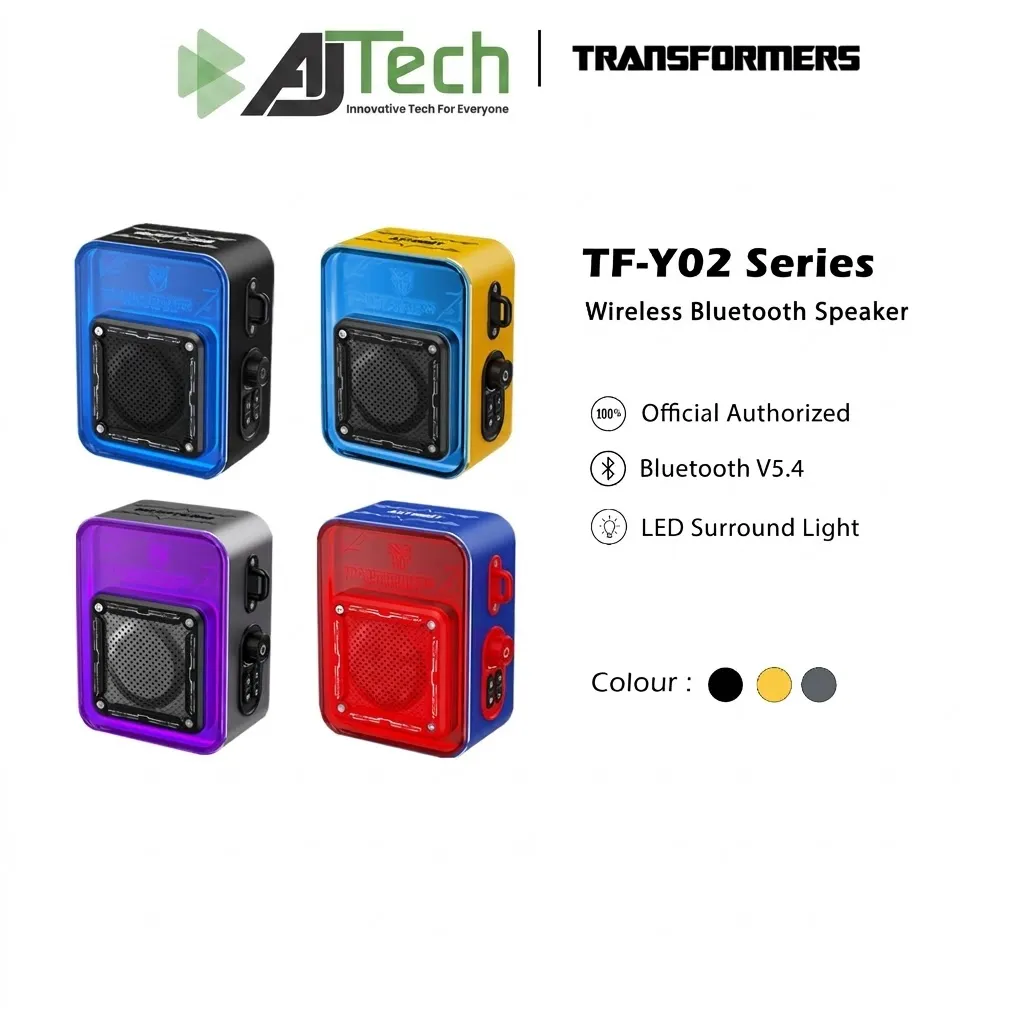
Where connection problems really come from
When a customer returns with "it keeps cutting out", the Bluetooth version is almost never the cause. In order of likelihood, the real culprits are:
- Your own body. Water absorbs these frequencies well, and a phone in a back pocket puts a person between the transmitter and the earpiece. Moving the phone to a front pocket fixes a surprising number of complaints.
- Environmental congestion. Wi-Fi routers, microwaves and hundreds of other devices share the same neighbourhood of the spectrum.
- Stale pairings. A device juggling many old pairings can behave oddly. Removing the pairing on both ends and starting fresh is a genuinely effective first step.
- Outdated firmware on either the phone or the accessory.
Having that checklist ready turns a would-be return into a two-minute fix at the counter, which protects both your margin and the customer's confidence in you.
What this means for a product range
If you are choosing what to stock, the version number is a hygiene factor rather than a differentiator: be current, then compete on the things people feel. Two products on the same Bluetooth generation can deliver completely different experiences depending on antenna design, tuning and how well the manufacturer implemented multipoint. Those differences do not appear on any spec sheet, which is precisely why hands-on testing before you commit to volume is worth the time.
How to use this on a shop floor
When someone asks "is 5.4 better?", the answer that builds trust is: "Slightly, mostly for connection stability — but let's make sure the fit and the microphone are right first, because that's what you'll notice every day." You have answered honestly, moved to the criteria that actually predict satisfaction, and positioned yourself as an adviser rather than a spec-reader.
For resale buyers, the practical guidance is simpler: stock current-generation products so your range does not look dated next to competitors, but do not pay a large premium for a decimal. Put that money into build quality and after-sales support instead.
Compare the current generation across earphones, speakers and smartwatches in the AJ Tech range, or talk to us about wholesale supply.
The short version
Bluetooth versions govern the connection, not the character of the sound. Recent releases mainly buy you stability in busy environments and better power behaviour. Buy current generation, but choose between products on fit, microphone and build — and tell your customers exactly that.