
Audio sunglasses are one of those categories that customers do not know they want until they try a pair. Explained on a spec sheet they sound like a gimmick. Worn for ten minutes on a bike, a run or a commute, they make immediate sense — you get sound and you keep your ears. For a retailer, that gap between how they read and how they feel is exactly where the opportunity sits.
What they actually are
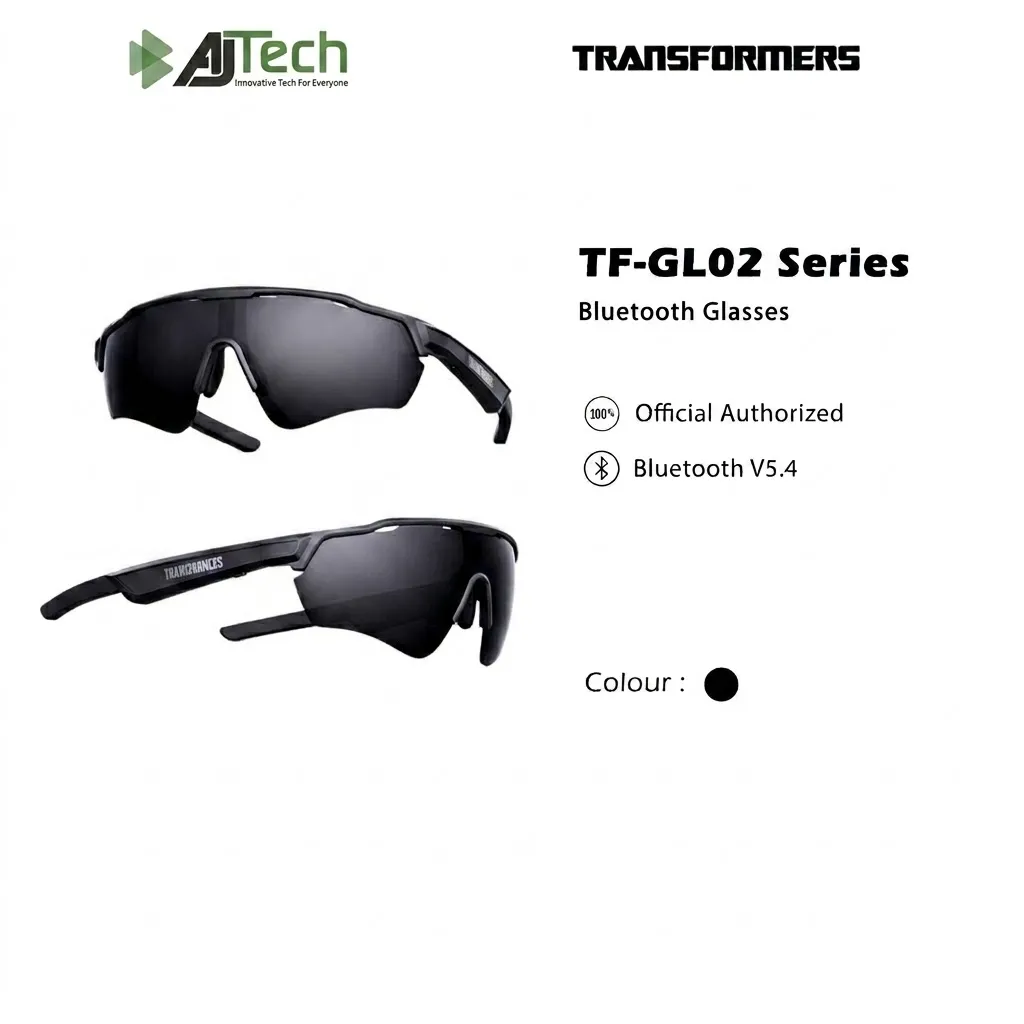
Audio sunglasses put small speakers in the arms of the frame, angled towards your ears without sealing them. Nothing goes into the ear canal. You hear your music or a call, and you also hear traffic, teammates and announcements. They are not trying to beat earbuds on isolation; they are trying to solve a different problem.
Who buys them, and why
- Cyclists and runners who want audio but need to hear what is coming up behind them — and who, in some places, are legally required to keep their ears clear.
- Drivers and delivery riders taking calls hands-free while staying aware of their surroundings.
- People who simply dislike in-ear buds. This group is much larger than most retailers assume. Ear fatigue, pressure and hygiene are real objections, and nothing you say about sound quality overcomes them.
- Gift buyers, who love the novelty and the fact that one product covers two needs.
The honest trade-offs
Selling these well means being straightforward about limits, because a customer who feels misled returns the product and tells people:
- Bass is modest. Open-ear designs cannot move air the way a sealed tip can. They are excellent for podcasts, calls and casual listening; they are not for critical bass listening.
- Loud places win. On a busy road or in strong wind, ambient noise competes with the audio. That is the price of situational awareness.
- Some sound leaks out. At higher volumes people nearby may hear a little. Fine outdoors, worth knowing in a quiet office.
- Lenses are a personal choice. Check whether the pair suits low light, and whether lenses can be swapped.
Say all of that up front and you convert fewer browsers but keep far more of them. Openness is a feature in this category, not a risk.
What separates a good pair from a forgettable one
- Fit and balance. They live on your face; a heavy or pinching frame is worn once. Try before you commit to volume.
- Controls you can find blind. Riders and runners cannot look at what they are pressing.
- Weather resistance sufficient for sweat and a light shower.
- Stable pairing and a clean handover between phone and laptop.
- Microphone quality in wind, which is where cheap pairs fall apart fastest.
Bone conduction is not the same thing
Customers frequently conflate the two, and getting this right marks you out as someone who knows the category. Bone conduction sends vibration through the cheekbones to the inner ear, bypassing the eardrum entirely. Open-ear audio sunglasses use conventional small speakers aimed at the ear, through the air.
In practice, open-ear designs usually sound fuller and more natural, because they are moving air the way any speaker does. Bone conduction leaves the ear even more completely unobstructed, which suits swimmers and some hearing situations. Neither is universally better — but a customer who came in asking for one and left with the other, without being told they differ, will feel misled.
Fit, prescriptions and the questions people ask second
- "Can I get my prescription in these?" Often the lenses can be replaced by an optician, but not always, and not cheaply. Find out for the specific model before you promise anything.
- "Will they slip when I run?" Frame grip matters more than weight alone. Anyone buying for sport should try them with a head shake in the shop.
- "Can I wear them indoors?" Some ranges offer clear or lighter lenses, which turns a summer product into an all-year one — a genuinely useful thing to stock.
- "How do I clean them?" Lens cloth and care as with any eyewear; the electronics do not change the routine.
How to sell them in-store and online
This is a demonstration product. A tester pair on the counter will out-sell any amount of shelf copy, because the objection ("surely I will not hear it properly?") is answered in seconds by actually wearing them. Online, lead with the use case in the first line — cycling, running, commuting, calls — rather than with the technology.
They also merchandise naturally beside smartwatches and other active-lifestyle gear, and they pair well with a power bank for customers heading out for the day. If you are building an outdoor or fitness section, audio sunglasses give it an anchor product that competitors rarely stock.
Buying for resale
Because so few shops carry them, margins tend to hold better here than in crowded categories like earbuds. Order a small first run, put a tester out, and listen to the questions customers ask — those questions become your product copy. Ask your supplier about spare parts and warranty handling before you commit, since frames take more physical abuse than most electronics.
See what is currently available in the AJ Tech catalogue, or ask about wholesale terms if you are planning a wider rollout.
The short version
Audio sunglasses sell on awareness and comfort, not on bass. Be honest about the trade-offs, let people try them, and position them by activity rather than by spec. Done that way, they are a differentiated, high-interest product in a category most of your competition has not bothered to stock.